Cute Floral Flowers Illustration: Real Embroidery Review
As a designer who spends half the day tweaking vector paths and the other half troubleshooting stitch errors, I approach every new asset with a mix of optimism and skepticism. When Cute Floral Flowers Illustration landed in my review queue, I didn’t just look at the preview image; I looked at how it would behave under the needle. This is not just another pretty picture for your desktop wallpaper. It is a practical design asset intended for real-world application, and today we are breaking down exactly where it fits in your workflow, what makes it tick, and whether it deserves a spot in your commercial inventory.
First Impressions and Visual Personality
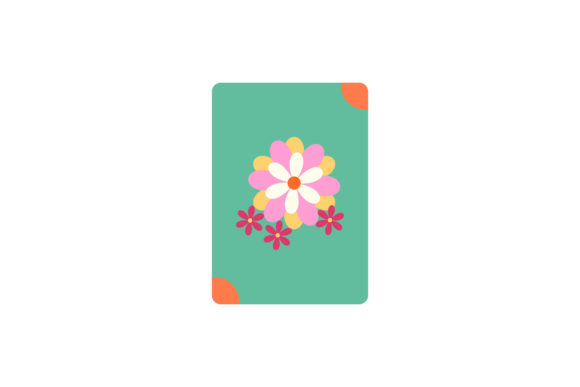
The moment you open this file, the mood is immediately clear. The term "cute" can sometimes feel childish or overly simplistic, but in the context of modern embroidery trends, it signals approachability and warmth. The illustration features floral elements that are stylized rather than hyper-realistic. This is crucial for us as embroiderers because highly detailed photorealism often translates poorly into thread unless you have a massive hoop and weeks to spare.
What stands out about Cute Floral Flowers Illustration is its balance of detail and negative space. The shapes are distinct, which suggests good potential for clean satin stitches along the edges. There is a sense of playfulness in the arrangement, making it ideal for brands that want to appear friendly, organic, and handcrafted. It doesn’t scream luxury minimalism; instead, it whispers comfort. This visual personality naturally aligns with products like baby items, kitchen textiles, and casual apparel. If you are building a brand around cozy aesthetics or botanical love, this graphic provides a strong foundation without overwhelming the viewer.
Real-World Application: From Screen to Stitch
Let’s talk about actual use cases. I recently envisioned this design being applied to a custom embroidered tote bag for a local artisan market. The size and layout of Cute Floral Flowers Illustration suggest it would sit beautifully on the front panel of a canvas tote. Because the vector files are openable and editable, I could easily adjust the scale to ensure the flowers weren’t lost in the weave of the fabric. For an Etsy seller, this versatility is gold. You can offer it as a standard print or upscale it for a large embroidery project.
Beyond bags, consider the potential for custom apparel. A sweatshirt embroidery featuring these soft florals offers a perfect contrast to heavy cotton blends. The design feels substantial enough to hold its own against thick fabric but delicate enough to maintain a feminine touch. I also see strong potential in nursery decor. A pillow cover or a blanket edge stitched with this illustration would create a cohesive, soothing environment for a baby’s room. It works equally well as a personalized gift for a wedding, perhaps monogrammed alongside the floral cluster to add a bespoke feel.
For those dealing in digital assets, this illustration serves as excellent design assets for printable mockups. Before you even commit to thread, you can place this vector into digital previews to test market response. It has the broad appeal needed for a general audience, meaning your conversion rates on platforms like Etsy or Shopify could benefit from its universal charm.
Where to Exercise Caution
No design is flawless, and knowing where Cute Floral Flowers Illustration might struggle is just as important as knowing where it shines. Here are the areas where you need to be careful:
- Small Hoop Sizes: While the design is scalable, cramming intricate floral details into a tiny 4x4 inch hoop can result in muddled stitching. If the petals are too close together, they may merge into a single blob of color. Always check the minimum recommended dimensions.
- Textured and Stretchy Fabrics: Embroidering on ribbed knit caps or heavily textured wool can distort the clean lines of the illustration. The fabric movement can cause the satin stitch edges to pucker. Stick to stable woven fabrics like cotton, linen, or denim for the best results.
- Dense Stitch Areas: If the original vector contains tight clusters of small elements, converting these to fill stitches might create a stiff, cardboard-like texture. On a finished product, this lack of flexibility can be uncomfortable, especially on garments worn against the skin.
- Dark Fabrics: Unless you plan to use a heavy underlay or a contrasting background patch, light-colored floral illustrations can get lost on dark backgrounds. You may need to add a stabilizing layer or choose specific thread colors to ensure visibility.
Technical Considerations for the Designer
Before uploading this to your machine or selling the digitized version, there are several practical steps you must take. First, always test the design on scrap fabric that matches the weight and stretch of your final material. This helps you identify if the stitch density is appropriate. If the design looks too sparse, you might need to add more underlay stitches to secure the threads. If it looks too dense, you risk fabric distortion.
Reviewing the stabilizer choice is also critical. For a design like this, which likely relies on clean outlines, a cut-away stabilizer is often safer than tear-away, especially if the garment will undergo frequent washing. The longevity of the finished product depends heavily on the stability provided during the stitching process.
Additionally, inspect the small details closely. In vector graphics, tiny lines can disappear when converted to thread. Use a black-and-white mockup to check contrast and legibility. Does the flower stem remain distinct? Are the leaves recognizable? If the details are too fine, consider simplifying the vector path before digitizing. This ensures that the embroidery file produces a crisp, professional result that customers will appreciate.
Impact on Brand Value and Customer Trust
Using high-quality, well-thought-out designs like Cute Floral Flowers Illustration directly impacts how customers perceive your brand. In the world of handmade goods, presentation is everything. A clean, balanced floral motif suggests that the maker cares about aesthetics and precision. It builds trust. When a customer sees a professionally executed embroidered patch or a neatly stitched tote bag design, they assume the rest of the business operates with the same level of care.
Furthermore, the versatility of this illustration allows for brand consistency across multiple product lines. Whether you are selling kitchen towels, aprons, or holiday gifts, the recurring floral theme ties your shop together visually. This recognition factor is invaluable for small shop owners looking to build a loyal following. It transforms a simple commodity into a branded experience.
Final Verdict
Cute Floral Flowers Illustration is a solid addition to any designer’s library. It strikes a rare balance between decorative appeal and technical feasibility. It is versatile enough for personal projects yet robust enough for commercial craft business ventures. However, success lies in the execution. By paying attention to fabric choice, stitch density, and proper stabilization, you can transform this vector graphic into a stunning physical product.
Remember to confirm licensing terms before selling finished items or digital derivatives. Ensure you understand the scope of commercial use granted with the purchase. Once those legal bases are covered, you are free to unleash your creativity. Whether you are creating a one-off personalized gift or stocking shelves for a boutique, this illustration provides a reliable, attractive core for your work. It is a tool that respects both the art of design and the mechanics of embroidery.
For the digital product seller or the maker looking to expand their catalog, this graphic offers a low-risk, high-reward opportunity. It appeals to a wide demographic, from young parents to home decorators. By integrating it thoughtfully into your embroidery project pipeline, you enhance your product value and engage buyers who appreciate the subtle beauty of handcrafted details. Just remember: the design is only as good as the stitch. Test, refine, and then let your creativity bloom.