Vector Floral: A Designer’s Take on Real Embroidery Use
When I first pulled up the Vector Floral design file, my immediate reaction was one of cautious optimism. As a designer who reviews hundreds of digital assets monthly, I’ve learned that a beautiful raster image often translates poorly into stitch form. The difference between a graphic that looks good on a screen and one that holds up in a hoop is massive. This Illustrations category entry, marketed as a versatile Graphics asset for logos and apparel, promises scalability. But does it survive the needle? In this review, I’m putting Vector Floral through the wringer to see if it belongs in your commercial workflow or just your personal scrapbook.
First Impressions: Mood and Visual Personality
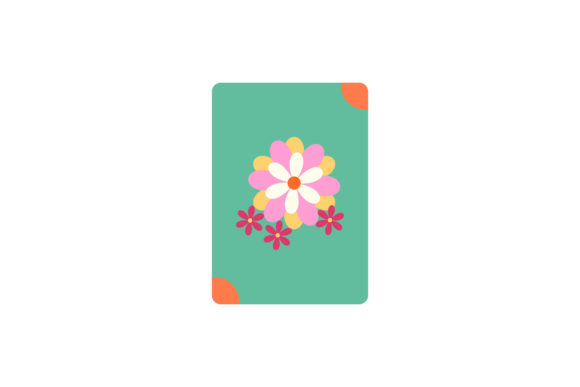
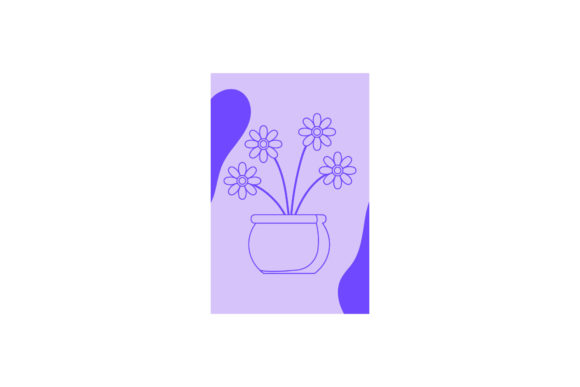
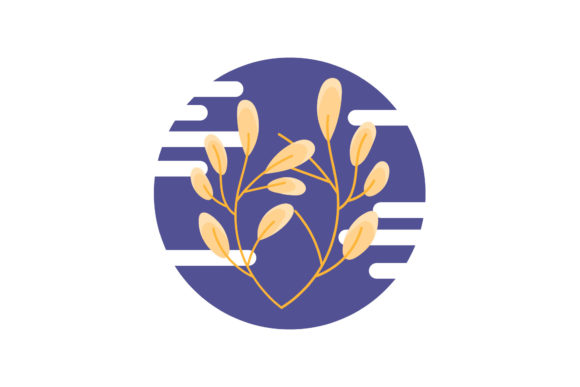
The moment you open the editable vector layers, the structure becomes clear. It isn’t an overly complex, chaotic floral explosion; rather, it feels curated and balanced. The visual personality leans toward modern botanical—clean lines with enough organic curve to feel hand-drawn without sacrificing precision. For embroidery designers, this balance is critical. Designs that are too intricate often turn into muddy blobs after stitching, while those that are too simple can look unfinished.
Vector Floral strikes a middle ground. It has enough detail to justify the cost of thread and time but retains enough negative space to breathe. When I imagine this on a product, I don’t see a cluttered mess; I see a statement piece. The mood is uplifting yet professional. It doesn’t scream "craft fair bargain"; it whispers "boutique quality." This subtle distinction matters when you are trying to build brand trust with customers who pay a premium for handmade goods.
Real-World Application: From Screen to Stitch
Let’s talk about where this design actually lives. I ran a mental simulation of applying Vector Floral to several common embroidery project scenarios. Here is how I think it would perform in real-life situations:
- Custom Apparel and Sweatshirts: On a heavyweight cotton sweatshirt, this design would shine. The clean vectors allow for crisp satin stitch edges on petals and leaves. It works beautifully as a left-chest logo or a larger back print. The scalability means you can resize it for different garment sizes without pixelation, ensuring consistency across your inventory.
- Tote Bag Design: Canvas is a forgiving fabric, but it can pucker if the stitch density is too high. Because Vector Floral appears to have open areas, it likely relies less on dense fills and more on structural outlines. This makes it ideal for a tote bag where you want the design to be visible but not stiffen the entire bag.
- Baby Embroidery and Nursery Decor: Soft pastels paired with this floral motif create a gentle, timeless aesthetic. Whether used on a muslin blanket or a nursery wall hanging, the design conveys care and attention to detail. Parents looking for personalized gift items often seek designs that feel soft and approachable, and this fits that niche perfectly.
- Embroidered Patch: If you are creating patches for clients, the clean vector paths make outlining much easier. You can add a thick border easily, and the internal details won’t get lost. This is a strong candidate for a standard 3-inch patch size.
For the Etsy seller or small shop product owner, versatility is key. Vector Floral allows you to create a cohesive line of products—a matching set of tea towels, aprons, and pillow covers—because the core graphic remains consistent regardless of the substrate.
Where Caution Is Required
No design is perfect for every surface. While Vector Floral is robust, there are specific contexts where it might struggle. As a reviewer, I need to highlight these potential pitfalls so you don’t waste materials.
First, consider fabric texture. If you are attempting to stitch this on a highly textured fabric like bouclé or heavy tweed, the fine details of the floral elements may disappear. The needle will struggle to penetrate consistently, leading to skipped stitches. Stick to smooth fabrics like cotton twill, jersey, or linen blends for the best result.
Second, avoid placing this design on curved surfaces like baseball caps unless you are using a specialized cap frame and have significant experience. The curvature can distort the symmetry of the floral arrangement, making it look off-center or stretched. Similarly, on stretchy knits, ensure you use adequate stabilizer to prevent puckering, which would ruin the clean lines that make this design attractive.
Finally, be mindful of small hoop sizes. If you downscale Vector Floral too much, the individual petals and leaves may merge together during the stitching process. There is a minimum viable size for clarity. Test this before committing to a production run.
Practical Designer Notes for Execution
Before you upload this file to your machine or send it to a client, follow these practical steps to ensure success:
- Test on Scrap Fabric: Always stitch a sample on the actual fabric you plan to use. This reveals issues with tension, pull compensation, and color contrast that you cannot see on screen.
- Check Thread Color Contrast: The design’s effectiveness relies heavily on thread choice. Ensure there is enough contrast between the background fabric and the primary thread colors. Low contrast can make the design look muddy.
- Review Stitch Density: Even though this is a vector graphic, the conversion to an embroidery file determines the density. Check the settings to ensure the fill stitches aren’t too dense, which can cause bulkiness, or too sparse, which can show the fabric underneath.
- Inspect Small Details: Zoom in on the smallest elements. Are they large enough to be stitched cleanly? If not, consider simplifying the design by removing minor details before digitizing.
- Confirm Licensing: Since this is sold as a graphic asset, verify the license terms carefully. Can you sell finished physical products? Can you use it in commercial embroidery projects? Clarifying this protects your business from legal issues.
Impact on Product Value and Brand Consistency
Using a high-quality vector source like Vector Floral elevates the perceived value of your finished product. Customers can often tell the difference between a mass-produced, low-resolution print and a precise, well-executed embroidery job. Clean lines signal professionalism and care.
Furthermore, because the file is editable, you maintain control over your brand identity. You can adjust colors to match your seasonal palette or tweak proportions to fit a new product line. This flexibility is invaluable for creative entrepreneurs who need to keep their offerings fresh and relevant.
In conclusion, Vector Floral is a strong contender for designers looking for a reliable, versatile graphic asset. It offers the visual appeal needed to attract buyers and the structural integrity required for successful stitching. Just remember to respect its limitations regarding fabric type and scale. With proper preparation and execution, this design can become a staple in your repertoire, helping you create memorable handmade product experiences that stand out in a crowded market.