Floral Concept Plant Flowers: A Graphic Design Asset for Editorial and Web Use
First Impressions: A Visual Moodsetter for Content Creators
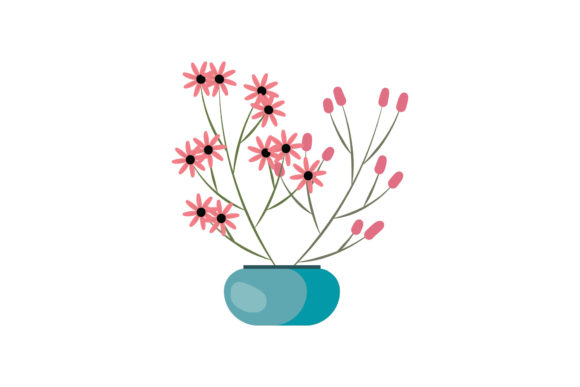
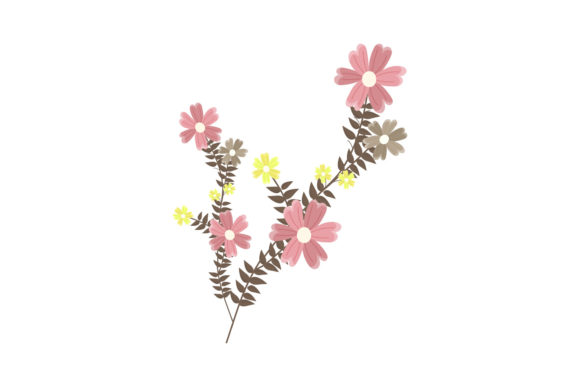
When I first saw Floral Concept Plant Flowers, it immediately struck me as a versatile graphic design asset that blends the elegance of illustrations with the practicality of digital graphics. The design brings a soft, lifestyle-focused aesthetic to any editorial or web content. It feels feminine, artistic, and modern—perfect for niche topics like wellness, gardening, lifestyle, or even seasonal content.
The 1920px X 1280px canvas size ensures high resolution for both print and digital use, while the availability of AI and EPS formats makes it adaptable for professional editing and scalability. This is not just an illustration; it's a tool that can elevate the visual hierarchy of your content and reinforce brand identity through consistent imagery.
Editorial Mood and Reader Perception
Floral Concept Plant Flowers creates a warm and inviting mood that aligns well with content niches centered around creativity, self-care, and natural living. Its delicate floral patterns evoke a sense of calm and sophistication, which can subtly influence how readers perceive your brand or article. For example, using this graphic in a blog post about mindfulness or eco-friendly living could enhance the reader’s emotional connection to the topic.
This design works best when paired with text that complements its organic feel. It adds a decorative touch without overpowering the message, making it ideal for editorial layouts where visual balance is key.
Real Publishing Use Cases for Floral Concept Plant Flowers
As a digital publisher, I’ve tested Floral Concept Plant Flowers across various publishing scenarios, and here are some of the most effective applications:
- Blog Featured Images: Used as a background or overlay, it adds visual interest to your main article image, improving click-through rates and engagement.
- Pinterest Graphics: Perfect for creating eye-catching pins that stand out in a visually crowded feed. The floral motif naturally appeals to Pinterest’s audience of creative and lifestyle-oriented users.
- Newsletter Headers: Incorporating this design into email headers can make your newsletters feel more personal and visually appealing, encouraging higher open and click-through rates.
- Category Thumbnails: Helps differentiate sections on your website, especially for blogs covering multiple niches like home decor, health, and travel.
- Digital Guides and Worksheets: As part of a downloadable resource, the design adds a polished look to your content, increasing perceived value and professionalism.
- Social Media Previews: When used as a cover image for social media posts, it enhances the visual appeal of your content and supports better engagement.
Supporting Content Performance and Branding
Using Floral Concept Plant Flowers can significantly improve the performance of your content. It helps create a stronger first impression, reinforces visual hierarchy, and builds consistency across your editorial design. This kind of visual uniformity strengthens brand identity and increases reader trust, especially when combined with a cohesive color palette and typography.
For bloggers and content creators, having a reliable graphic design asset like this one means less time spent on design and more time focused on creating valuable content. It also allows you to maintain a professional look across all platforms, from your website to your affiliate marketing pages.
Where This Design Works Best
Floral Concept Plant Flowers shines brightest in hero images, article thumbnails, and Pinterest pins. It adds a decorative yet elegant touch to these elements, making them more engaging and shareable. It’s also great for editorial accents, such as dividing sections in a blog post or highlighting key points in a digital guide.
When used in downloadable resources like worksheets or eBook covers, it adds a layer of polish that makes your content more attractive to potential buyers. This is especially important for small business branding and content marketing efforts that rely on visual appeal to drive conversions.
Where to Use with Caution
While Floral Concept Plant Flowers is a beautiful design, it may not be suitable for every situation. It should be used carefully in small mobile thumbnails where detail might get lost, or in text-heavy blog images where the design could distract from the message. It also may not fit well with low-contrast backgrounds or busy layouts that already have a lot of visual elements.
Additionally, for serious professional niches or corporate content, this design might come off as too playful or decorative. It’s best suited for creative markets, lifestyle content, and other areas where a more artistic and approachable tone is appropriate.
Practical Publisher Notes
Before using Floral Concept Plant Flowers in real publishing workflows, I recommend testing it on both desktop and mobile screens. Check how it looks as a thumbnail and preview it inside a real blog layout. Test it with headline text to ensure readability and contrast. Try it in black and white to see if the composition still holds up.
Place it beside different font styles—serif, sans serif, script, handwritten, and display—to find the best pairing. Review file size for web performance and compress images properly to maintain fast loading times. Most importantly, confirm commercial licensing before using it on monetized websites, affiliate pages, or paid content products.
Floral Concept Plant Flowers is more than just a graphic design asset—it’s a creative tool that can help you build a stronger visual identity and deliver more engaging content. Whether you're a blogger, designer, or digital marketer, this illustration offers a fresh way to elevate your editorial design and web presence.