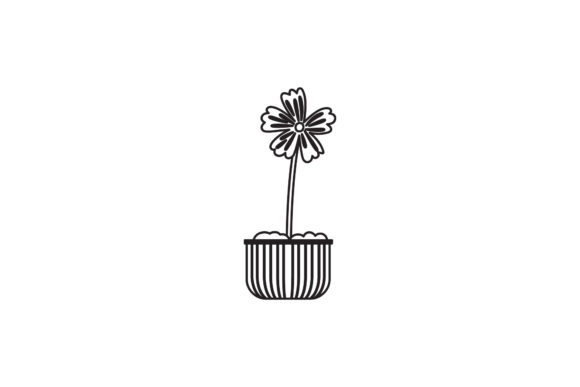
Floral Flower Illustrations Line Style Graphics Freebies
As a brand designer who has spent years refining visual identities for local enterprises, I approach every new asset with a critical eye. We are not just looking for pretty pictures; we are looking for tools that build brand identity, drive sales, and communicate value instantly. Today, I am reviewing the Floral Flower Illustrations Line Style Vector Design Graphic suitable for your design needs logos, illustrations, animations, t-shirt designs, etc. Vector files. Openable, editable, and resizable with. This is not merely a collection of clipart; it is a strategic graphic design asset that can elevate everything from artisanal packaging to social media graphics.
The Mood and Personality of the Collection
When I first opened the folder containing these design assets, the immediate impression was one of refined simplicity. The line style suggests a brand personality that is both elegant and accessible. It avoids the heaviness of solid fills, opting instead for clean strokes that feel modern yet timeless. For a small business owner, this translates to a look that feels premium without being intimidating.
This aesthetic fits perfectly with businesses that want to project authenticity and care. Whether you are running a boutique skincare label, a local coffee roastery, or a handmade candle shop, this illustration style supports a narrative of craftsmanship. It feels organic and soft, which helps in building an emotional connection with customers. Unlike bold, aggressive graphics, these floral elements invite the viewer in. They suggest a brand that values detail, quality, and a touch of femininity or rustic charm. In the crowded marketplace of local business branding, standing out often means choosing a visual language that whispers sophistication rather than shouting for attention.
Real-World Application: The Artisan Bakery Project
To understand the true value of these graphics, let us look at a practical scenario. Imagine you are launching a new line of gluten-free cookies for a local bakery. Your goal is to create packaging that sits comfortably on a high-end grocery shelf alongside established brands. You need visuals that communicate "natural ingredients" and "handcrafted quality."
Using the Floral Flower Illustrations Line Style as a primary decorative element allows you to frame your product name without overpowering it. You might use a single, delicate flower illustration to accentuate the corner of a kraft paper box. Because the files are vector-based and openable, you can adjust the stroke weight to match your specific printing requirements. This flexibility is crucial for packaging design, where consistency across different sizes and materials is key. The ability to edit the vectors means you can tweak the bloom size to fit a tiny sticker or expand it for a large storefront banner, ensuring a cohesive professional branding experience.
Strategic Uses in Business Presentation
Beyond simple decoration, these illustrations serve functional roles in enhancing your marketing visuals. Here is how they can support your business presentation:
- Stronger First Impression: Clean line art catches the eye quickly. On a busy shelf, the negative space created by line drawings allows the product information to breathe, making your offering more readable.
- Better Product Recognition: By consistently using these floral motifs across your product labels, hang tags, and thank-you cards, you create a recognizable visual signature. Customers begin to associate the delicate lines with your specific taste and quality.
- Clearer Visual Hierarchy: These assets help guide the customer’s eye. A well-placed illustration can lead the viewer from the logo to the price or from the product image to the call-to-action on a flyer.
- Improved Customer Trust: High-quality, scalable vector files ensure that your prints are sharp and crisp. Blurry or pixelated images signal low effort; crisp line art signals professionalism and reliability.
- More Polished Marketing Visuals: Whether you are designing social media graphics for Instagram or creating digital ads, these illustrations add a layer of polish that generic stock photos often lack.
Where This Asset Shines
The versatility of the Floral Flower Illustrations Line Style makes it suitable for a wide array of applications. It works exceptionally well as a hero graphic on website banners, where its lightness prevents the page from feeling cluttered. It is also ideal for printable design projects such as wedding invitations, event programs, or seasonal campaign visuals like Christmas or Easter cards.
For physical products, consider using these illustrations for:
- Packaging Accents: Use them as borders or corner flourishes on boxes and bags.
- Hang Tags and Stickers: Their scalability makes them perfect for small-format items where detail matters.
- Menu Graphics: Add a touch of elegance to restaurant menus or cafe price lists.
- Business Cards: Incorporate a subtle floral line into the background or border for a memorable tactile experience.
Areas Requiring Caution
While powerful, no single asset is a universal solution. There are contexts where this line style should be used carefully. For instance, if you are working on formal corporate branding for a law firm or financial institution, the playful nature of flowers may undermine the seriousness required. Similarly, avoid using these illustrations in areas with heavy legal text or ingredient lists. The delicate lines can get lost in dense typography, reducing readability.
Be mindful of contrast. On very dark or highly textured backgrounds, thin lines may disappear unless you adjust the color or stroke weight. Also, for luxury minimalist brands that rely on stark emptiness, adding floral elements might disrupt the intended austerity. Always ensure the decoration does not compete with your most important text.
Practical Designer Notes for Implementation
To get the most out of these freebies, follow these technical steps before finalizing your designs:
- Test on Mockups: Always view the illustration on a realistic product mockup. A file looks different on screen than it does printed on matte paper or glossy plastic.
- Check Black and White Usage: Ensure the lines hold up when converted to monochrome. Some intricate details may merge together at small sizes.
- Preview on Small Labels: Zoom out to 10% scale. If the lines become muddy or indistinguishable, simplify the design or increase the stroke width.
- Test with Brand Colors: Try applying your brand palette to the lines. Does the color enhance the shape, or does it obscure the form?
- Compare with Competitors: Look at similar products on the shelf. Does your use of floral imagery differentiate you or blend in too much?
- Inspect Editability: Since these are vector files, open them in your preferred software. Check that all paths are closed and layers are organized. This saves time during revisions.
- Font Pairing: Test the illustrations beside different font styles. They pair beautifully with serif fonts for a classic look, sans serif fonts for a modern feel, and script fonts for a handwritten touch. Avoid pairing them with overly decorative display fonts that clash.
- Confirm Licensing: Before using these assets for commercial design projects or physical product sales, double-check the commercial license terms. Ensure you are allowed to modify the vectors and use them in end-products.
In conclusion, the Floral Flower Illustrations Line Style is a robust addition to any designer’s toolkit. It offers the flexibility needed for small business branding while providing the aesthetic appeal required to win over customers. By integrating these design assets thoughtfully, you can create a cohesive brand presence that resonates with your audience and stands the test of time.