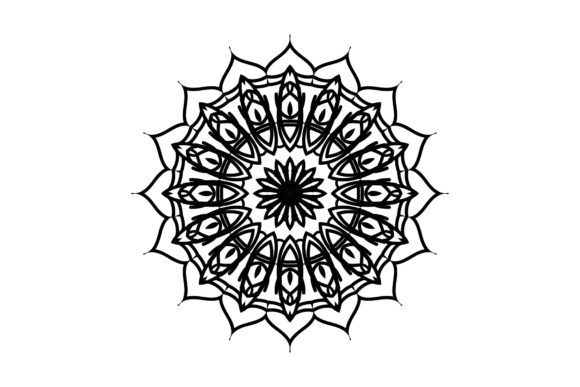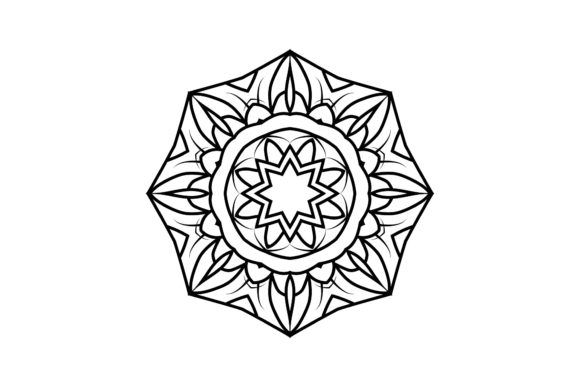
Mandala Drawing Floral Abstract Review
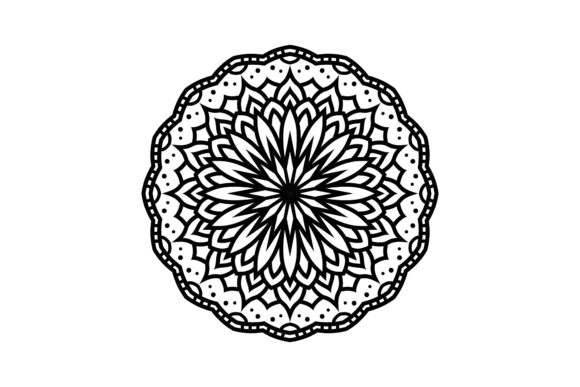
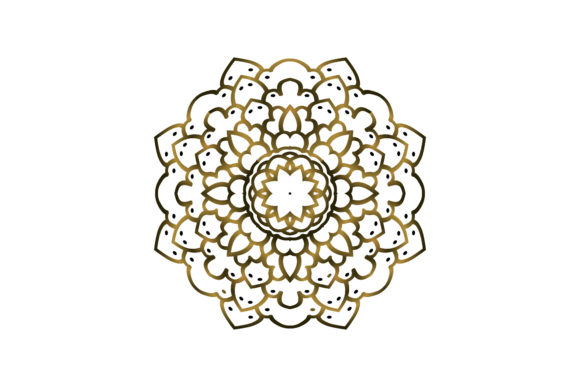
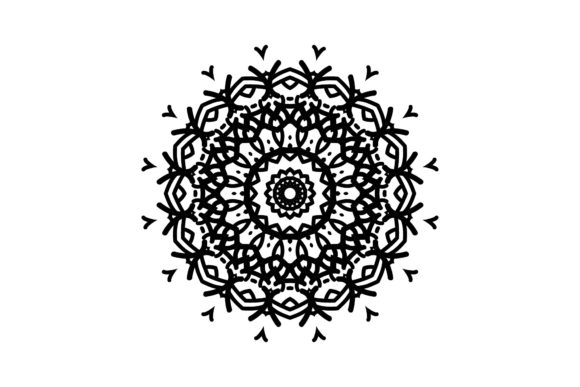
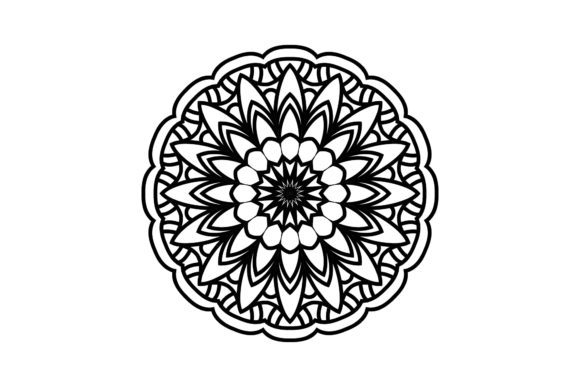
As a designer who spends half my day staring at stitch charts and the other half trying to convince clients that embroidery isn’t just for towels anymore, I am always on the hunt for designs that bridge the gap between artistic integrity and technical feasibility. Mandala Drawing Floral Abstract is one of those files that stops me mid-scroll. It feels less like a generic clipart asset and more like a deliberate piece of illustration art waiting to be translated into thread.
I recently pulled this design from the Illustrations category to test its viability for a few upcoming client projects. Specifically, I was looking for something to elevate a line of boutique tote bags and perhaps some high-end nursery decor. After running it through my mental simulation of hoop sizes, fabric textures, and customer expectations, here is my practical breakdown of how Mandala Drawing Floral Abstract performs in the real world of handmade commerce.
First Impressions: Mood and Visual Personality
The immediate draw of Mandala Drawing Floral Abstract is its balance. In the world of digital graphics, mandalas often fall into two traps: they are either too geometrically rigid, feeling cold and machine-made, or too chaotic, losing their structural integrity when scaled down. This design avoids both pitfalls. The floral elements soften the radial symmetry, giving it an organic, hand-drawn feel that resonates well with the current trend toward "slow living" aesthetics and artisanal quality.
Visually, it creates a mood of calm sophistication. It is not loud or aggressive; it is inviting. For a small business owner, this is crucial. When a customer sees a product featuring this design, they associate the intricate detail with care and attention. It signals that the maker took time to select a design that has depth, rather than grabbing the first trending icon available. The layout naturally draws the eye inward, which works beautifully for central placements on garments or centered applications on home goods.
Real-World Application: Where It Shines
Let’s talk about actual use cases. I have found that Mandala Drawing Floral Abstract is exceptionally versatile, but it finds its sweet spot in specific categories where texture and detail can truly speak.
- Custom Apparel and Sweatshirt Embroidery: Placing this design on the back of a heavyweight cotton sweatshirt or the chest of a crewneck tee offers a striking contrast. The abstract nature allows it to work with various color palettes, from earthy tones for bohemian styles to monochrome black-and-white for minimalist streetwear. The design holds up well as a standalone statement piece without needing additional text overlays.
- Tote Bag Design and Everyday Carry: A canvas tote is the perfect canvas for this file. Because the design is likely dense enough to hold its shape but open enough to let the fabric show through, it adds a layer of luxury to what is otherwise a utilitarian item. For an Etsy seller, this is a high-value add-on. Customers perceive embroidered details on totes as significantly more premium than printed ones.
- Baby Embroidery and Nursery Decor: There is a gentle quality to the floral abstraction that makes it suitable for baby items. However, caution is required here (more on that below). When used on larger items like crib bumper pads or oversized blanket borders, the scale works in its favor. It transforms a simple white muslin cloth into a keepsake-quality gift.
- Embroidered Patches and Branding: If you are creating branded merchandise for a craft business, this design serves as an excellent logo mark or decorative accent. It is distinctive enough to build brand recognition but complex enough to look professional. It elevates a standard patch into a collectible accessory.
Technical Considerations and Potential Pitfalls
No design is perfect, and as reviewers, we must be honest about where things might go wrong. Mandala Drawing Floral Abstract is detailed, and detail is the enemy of speed and stability in machine embroidery if not managed correctly.
Hoop Size and Scale: This design requires adequate space. Attempting to shrink this down to fit a 4x4 inch hoop will result in muddy stitching. The fine lines and small negative spaces may merge together, losing the definition that makes the design beautiful. I strongly advise using a larger hoop size to ensure every curve and intersection is captured clearly. If you are working with smaller products, consider cropping the design digitally before digitizing, though this may alter the aesthetic.
Fabric Texture and Stability: The performance of this file is heavily dependent on your fabric choice. On smooth, stable fabrics like cotton duck or tightly woven polyester, it will shine. However, on highly textured fabrics like chunky knits or loose-weave linen, the needle may struggle to maintain precision, leading to skipped stitches or distortion. Similarly, stretchy fabrics require robust stabilizers. Without proper backing, the radial tension of the mandala could cause the fabric to pucker in the center, ruining the symmetry.
Thread Colors and Contrast: While the file itself is graphic, the impact relies on your thread selection. High contrast is key. On dark fabrics, light threads will pop, but you must ensure the underlay stitches are sufficient to prevent the dark fabric from showing through the lighter topstitching. On light fabrics, darker threads provide elegance, but watch out for haloing around small details.
Specific Areas for Caution
There are certain scenarios where Mandala Drawing Floral Abstract should be used carefully or potentially avoided:
- Small Hoop Sizes: As mentioned, shrinking this too far compromises clarity. Avoid using it for tiny accents like cuff buttons or small name tags unless you are willing to sacrifice some of the intricate detail.
- Curved Surfaces: Applying this to a cap or a curved hat brim can be challenging. The flat geometry of the mandala may distort when wrapped around a curve, causing the outer rings to stretch or compress unevenly. Flat surfaces like aprons, pillow covers, and tote bags are much safer bets.
- Dense Stitch Areas: If the original digitization includes very dense fill stitches, you risk needle breakage or excessive bulk, especially on thinner fabrics. Check the stitch density settings before running large production batches.
- Frequent Washing: For items that will undergo heavy industrial laundering, such as commercial uniforms, ensure the design is anchored properly. While the aesthetic is durable, poor stabilization can lead to premature wear in the most detailed parts of the mandala.
Practical Designer Notes for Implementation
If you decide to incorporate Mandala Drawing Floral Abstract into your workflow, here is my checklist for success:
- Test on Scrap Fabric: Never run a full production batch without testing. Use the exact fabric and stabilizer combination you plan to use for the final product. This helps you identify any puckering or thread tension issues early.
- Check Thread Color Contrast: Lay your thread spools over the fabric before starting. Ensure there is enough contrast for the smallest details to remain visible. Sometimes, a slightly darker shade than expected yields better definition.
- Review Stitch Density: Look at the digitized file structure. Are the fill stitches too packed? Can the running stitches be simplified without losing the outline? Adjusting these parameters can save time and reduce thread breaks.
- Inspect Small Details: Zoom in on the digital preview. Are there any isolated pixels or tiny loops that might not stitch cleanly? These are common trouble spots in abstract designs.
- Black and White Mockups: Convert your design to black and white to check the silhouette. If the shape reads clearly without color, the composition is strong. This also helps visualize how it will look on different colored garments.
- Confirm Licensing: Before selling finished items, double-check the license terms provided with the Graphics purchase. Ensure you are permitted to sell physical products made from the design. Commercial rights vary widely, and assuming permission can lead to legal issues.
Final Verdict
Mandala Drawing Floral Abstract is a sophisticated, high-potential design that rewards careful execution. It is not a "set it and forget it" file; it demands respect for hoop size, fabric choice, and thread selection. However, when executed well, it produces a finished product that looks expensive, thoughtful, and professionally crafted.
For the embroiderer willing to put in the prep work, this design offers a significant return on investment in terms of perceived value. It fits seamlessly into the portfolio of an Etsy seller looking to stand out, a small shop product creator aiming for consistency, or a craft business owner seeking to offer unique personalized gifts. It is a tool that, when wielded with skill, turns simple materials into memorable keepsakes.
Whether you are creating a holiday embroidery collection, expanding your custom apparel line, or simply adding flair to your own handmade product, this design is a worthy addition to your library. Just remember: the magic isn't just in the file; it's in the finishing.